Which Type of Commercial Roof Coating Is Right for You?
Commercial properties face a unique set of challenges when it comes to maintaining a weather-tight seal and managing energy costs. Your roof is more than just a lid; it is a complex system designed to withstand the elements while protecting your inventory, equipment, and employees. Selecting the appropriate roof coating can drastically change the trajectory of your building's maintenance budget and its overall longevity. Knowing the right questions to ask local roofing contractors will set the stage for a successful restoration project.
Appraise Acrylic Roof Coatings
Acrylic roof coatings have long been a staple in the commercial industry because they offer a fantastic balance between performance and affordability. These water-based products are primarily comprised of acrylic polymers that, once cured, create a highly reflective and flexible surface. This reflectivity is a major selling point, as it can bounce a significant percentage of solar heat away from the building, resulting in lower cooling costs during sweltering summer months. When you consult with local roofing contractors, they will likely point out that acrylics are easy to apply and clean up, making them a less intrusive option for busy commercial sites.
The water-based nature of acrylic coatings means they come with specific environmental restrictions during the application process. They require warm, dry weather to cure properly and can be sensitive to humidity or unexpected rainfall shortly after they are laid down. Perhaps the most significant limitation is their performance in the face of ponding water. If your commercial roof has areas where water sits for more than forty-eight hours, an acrylic coating may begin to lose its bond with the substrate.
Assess Silicone Roof Coatings
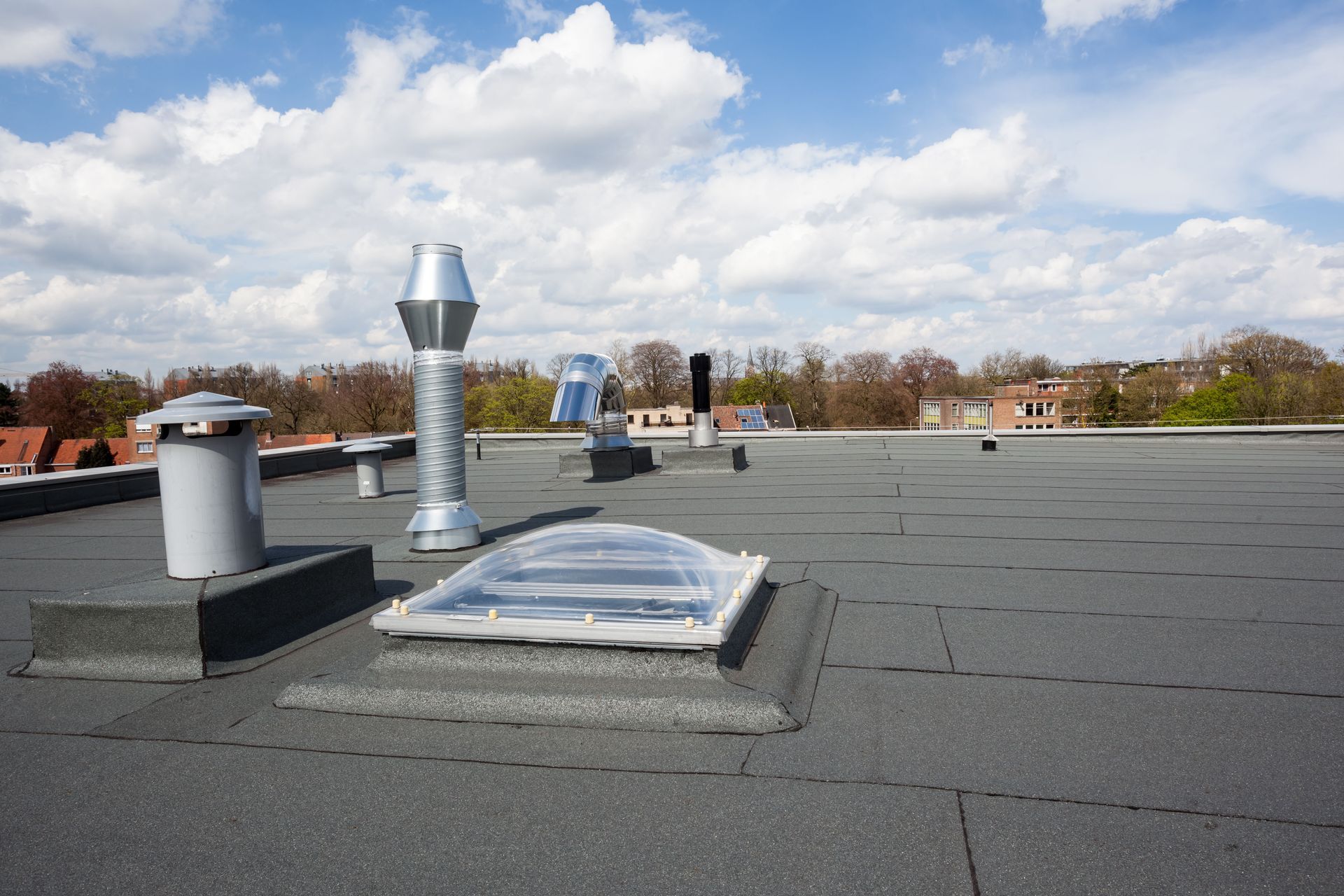
Silicone roof coatings are the heavy-duty champions of the industry regarding moisture resistance and thermal stability. Unlike acrylics, silicone is a moisture-cure product, meaning it uses the humidity in the air to harden into a durable, rubber-like membrane. This makes it exceptionally resistant to ponding water, which is a common headache for owners of flat commercial buildings. Many local roofing contractors recommend silicone for roofs that struggle with drainage issues because it will not break down even when submerged for extended periods. According to Roofing Contractor, the commercial sector anticipated a 48% growth in coating sales during the 2025 calendar year, largely driven by the adoption of these advanced silicone technologies.
While the performance benefits are clear, silicone coatings do come with a higher initial price tag and some specific maintenance quirks. The same properties that make silicone great at repelling water also make it a magnet for dust and dirt. Over time, the bright white surface can become dingy, which slightly reduces its solar reflectivity and energy efficiency. Owners must be prepared for regular pressure washing if they want to maintain those energy-saving benefits. It is also important to note that silicone is notoriously difficult to paint over or coat with anything other than more silicone in the future.
Implement Polyurethane Roof Coatings
Polyurethane coatings are widely recognized for their incredible toughness and resistance to physical impacts. These coatings typically come in two varieties: aromatic and aliphatic. Aromatic coatings are usually used as a base layer because they are less expensive but have a lower resistance to UV light, while aliphatic coatings serve as the top layer to provide color stability and weather protection. When discussing options with local roofing contractors, you might find that polyurethane is the top recommendation for warehouses or manufacturing hubs where the roof takes a beating.
The application of polyurethane is a bit more technical than other coatings due to the chemistry involved. The materials can be sensitive to moisture during the curing phase, and some formulations release strong odors that require careful scheduling around building occupancy. In industrial settings, the chemical resistance of polyurethane is a standout feature, as it can withstand exposure to various oils and chemicals that would dissolve a standard asphalt product. Over time, an aromatic base layer might start to yellow if the top coat is compromised, but this is usually a cosmetic issue rather than a structural failure.
Select Asphalt Roof Coatings
Asphalt coatings represent a traditional and budget-friendly approach to roof maintenance that has stood the test of time. These products are usually composed of asphalt particles suspended in a solvent, often reinforced with fibers to add strength and body. They are particularly effective for revitalizing older built-up roofs or modified bitumen systems that have begun to dry out and crack due to age. Many local roofing contractors suggest using these coatings as a cost-effective way to add a few more years of life to a roof without the massive expense of a full replacement.
On the downside, the darker color can be a hassle in the summer, as it causes the building to absorb more solar energy and increases the load on air conditioning systems. Asphalt coatings are also less flexible than their silicone or acrylic counterparts, meaning they are more prone to cracking if the building experiences significant thermal expansion. They generally require more frequent reapplication, often every five to seven years, to maintain their protective qualities.
Apply EPDM Rubber Coatings
EPDM rubber roof coatings are a specialized solution designed to protect and extend the life of synthetic rubber membranes. EPDM itself is known for incredible durability, but even the best rubber roof will eventually suffer from UV degradation and seam failures. Applying a dedicated rubber coating creates a monolithic, seamless layer that effectively seals those problematic seams and penetrations. These coatings are highly elastic, which is crucial because EPDM roofs tend to move quite a bit as the temperature changes. When local roofing contractors work on large-scale distribution centers with vast flat roofs, they often look to EPDM coatings as a way to reinforce the existing system and prevent the degradation that occurs as the material ages.
The primary challenge with EPDM coatings is the preparation of the surface. Because the rubber can accumulate a fine layer of carbon dust over the years, the roof must be meticulously cleaned and primed to ensure the new coating bonds correctly. If the preparation is rushed, the coating may peel away in large sheets, leaving the roof vulnerable. EPDM is also susceptible to damage from certain oils and sharp objects, so care must be taken during and after installation.
Consult Professional Roofing Teams
Making the final decision on a roof coating is a high-stakes move that requires a deep understanding of your building’s specific geometry and environment. It is not enough to simply look at the price per gallon; you have to consider the long-term compatibility between the existing roof substrate and the new coating material. A mismatch in chemistry can lead to catastrophic peeling or chemical reactions that actually damage the underlying roof. This is where the expertise of local roofing contractors becomes invaluable.
Beyond the technical assessment, working with experienced local roofing contractors provides you with a clear roadmap for maintenance and warranty support. Most high-quality coating manufacturers require that their products be applied by certified professionals to honor long-term labor and material warranties. This protection is essential for commercial owners who need to justify the expense to stakeholders or investors. A professional team will also help you navigate the local building codes and environmental regulations that might dictate which chemicals are allowed in your area.
Navigating the world of commercial roof coatings can feel overwhelming, but the effort pays off in the form of a more resilient and energy-efficient building. Each material, from the cost-effective acrylic to the robust silicone, offers a specific set of advantages tailored to different climates and structural needs. By weighing the physical demands of your facility against your long-term financial goals, you can select a system that provides the best protection. Contact us at Tri-State Roofing Contractors LLC for personalized guidance and expert application.
Share On: