BUR vs. TPO vs. EPDM: Which Commercial Roof is Right for You?
Selecting the right roofing system is an important decision for any commercial property owner or facility manager. A roof protects valuable equipment, supports energy efficiency, and helps maintain a safe environment for employees, tenants, and customers. Different roofing materials are designed to perform under different conditions, making it worthwhile to understand how each system functions before planning a replacement or new installation.
Experienced commercial roofers evaluate factors such as building size, roof slope, climate, maintenance expectations, and long-term operating costs before recommending a solution. While no single roofing system is ideal for every building, understanding the differences between built-up roofing (BUR), thermoplastic polyolefin (TPO), and ethylene propylene diene monomer (EPDM) can help property owners make informed decisions that align with their operational goals.
Exploring the Benefits of BUR Roofing
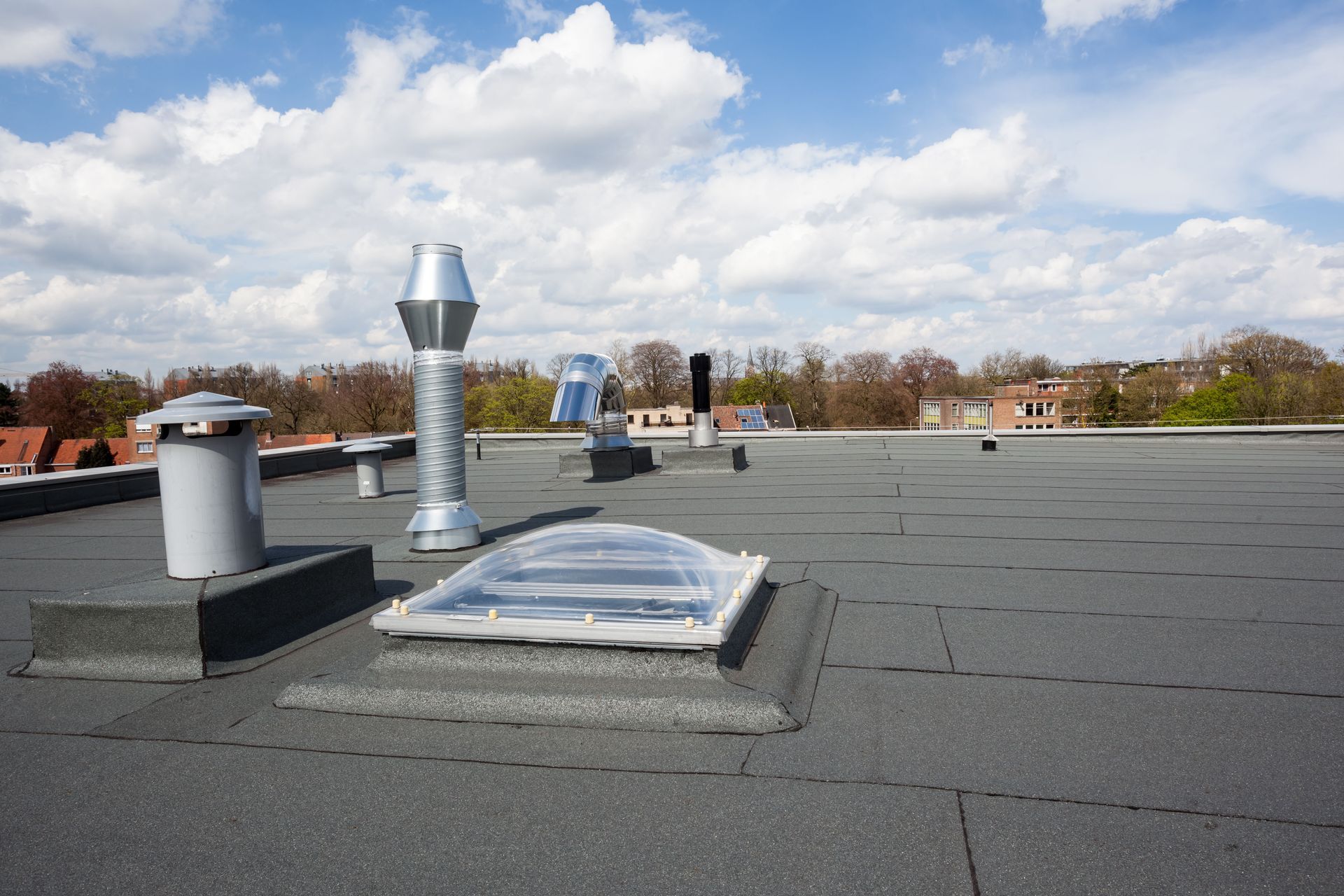
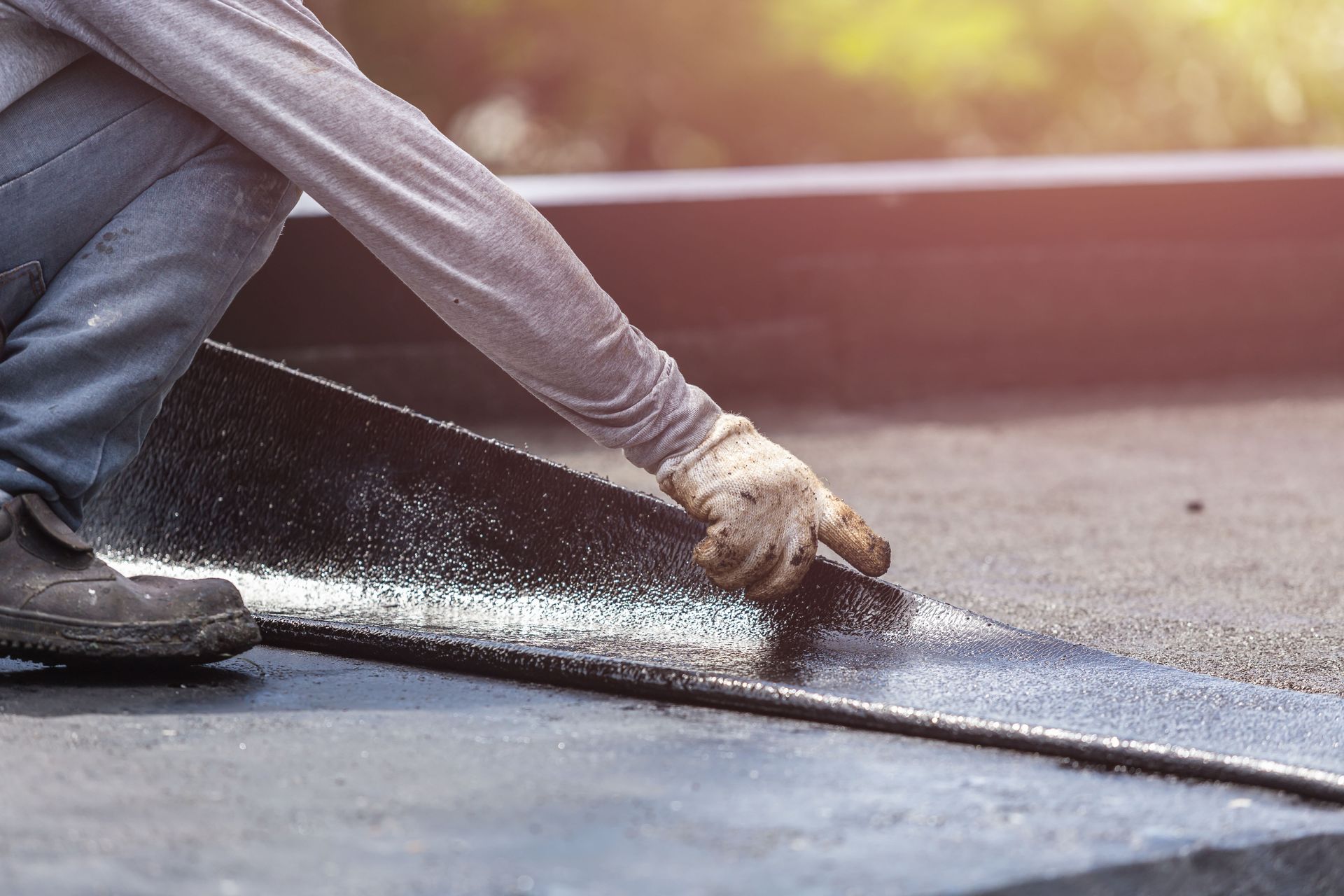
Built-up roofing has served commercial buildings for decades because of its durability and layered construction. BUR systems are created by alternating reinforcing materials with asphalt or bitumen, producing multiple protective layers that help defend the building from moisture and everyday wear.
The finished surface is designed to withstand frequent foot traffic associated with rooftop equipment maintenance while providing dependable waterproofing performance. Many property owners appreciate the proven history of BUR installations, particularly on low-slope commercial buildings where long-term protection is a priority.
Industry organizations also recognize the safety characteristics of many BUR assemblies. According to the Asphalt Roofing Manufacturers Association, numerous BUR roofing systems achieve FM1 Class 1 and UL Class A fire ratings, representing the highest classifications available for roof assembly fire resistance. This demonstrates that many properly designed systems can contribute to strong fire performance when installed according to applicable standards.
Because BUR systems involve multiple layers, installation requires careful planning and experienced craftsmanship. Professional commercial roofers understand the sequencing, material compatibility, and quality control necessary to achieve dependable performance throughout the roof's service life.
Examining the Advantages of TPO Roofing
TPO roofing has become one of the most widely selected options for modern commercial buildings. This single-ply membrane is known for its reflective surface, which can help reduce heat absorption during warmer months. For facilities seeking greater energy efficiency, reflective roofing materials may contribute to more stable indoor temperatures and potentially reduce cooling demands.
Another appealing characteristic of TPO is its relatively lightweight design compared to some traditional roofing assemblies. The membrane is heat-welded at the seams, creating continuous connections that help resist water infiltration when properly installed.
TPO is frequently selected for office buildings, retail centers, warehouses, healthcare facilities, and educational buildings because it combines durability with straightforward maintenance requirements. Property owners also appreciate that TPO membranes are available in several thicknesses to accommodate different building needs and performance expectations.
Proper installation remains essential for maximizing the lifespan of any TPO roofing system. Building owners often work with qualified commercial roofers who understand manufacturer specifications, seam welding procedures, flashing details, and drainage considerations that influence long-term performance.
Comparing the Performance of EPDM Roofing
EPDM is another well-established single-ply roofing membrane that has been trusted across commercial construction for many years. Manufactured from synthetic rubber, EPDM is recognized for its flexibility, making it especially suitable for buildings that experience seasonal temperature fluctuations.
Its ability to expand and contract with changing weather conditions allows the membrane to accommodate natural building movement without sacrificing performance. EPDM also demonstrates excellent resistance to ultraviolet exposure, ozone, and many environmental conditions commonly encountered throughout its lifespan.
Available in black and lighter-colored options, EPDM offers flexibility depending on regional climate considerations and project goals. Black membranes may help retain heat in colder environments, while lighter options can provide additional reflectivity where reducing heat gain is a priority. This versatility allows property owners to choose a roofing system that aligns with both building performance objectives and the environmental conditions their facility experiences throughout the year. EPDM is also valued for its flexibility, allowing it to accommodate normal building movement caused by seasonal temperature changes without compromising its overall performance.
Routine inspections remain important regardless of membrane type. Professional roofing evaluations help identify developing concerns before they become more significant, supporting longer roof life and reducing unexpected disruptions to business operations. During an inspection, commercial roofers can assess membrane condition, flashing, seams, drainage components, and areas around rooftop equipment to identify signs of wear before they lead to larger problems.
Addressing minor issues early often helps property owners better plan maintenance schedules and protect their investment over time. Regular evaluations also provide valuable documentation of the roof's condition, helping facility managers make informed decisions about future repairs, maintenance, or eventual replacement while supporting the continued performance of the commercial roofing system.
Evaluating Long-Term Maintenance Considerations
Every commercial roofing system benefits from ongoing maintenance that helps preserve its condition and maximize service life. Although BUR, TPO, and EPDM each offer unique strengths, all roofing materials are exposed to weather, temperature changes, rooftop traffic, and aging over time.
Regular inspections allow trained professionals to identify flashing issues, drainage concerns, punctures, membrane movement, or minor deterioration before these conditions affect interior building components. Preventive maintenance can also help facility managers plan future budgeting by identifying repairs early rather than responding only after visible damage occurs.
Maintenance requirements vary slightly among roofing systems. BUR may occasionally require attention to surface coatings or protective aggregate, while single-ply membranes benefit from periodic seam inspections and flashing evaluations. Roof drainage systems should also remain clear to support proper water flow during heavy rainfall.
Working with knowledgeable commercial roofers helps establish maintenance schedules that reflect the specific roofing material, building design, and environmental conditions affecting each property.
Considering Building Needs Before Selecting Materials
Choosing between BUR, TPO, and EPDM involves more than comparing roofing materials alone. Every commercial building has unique structural characteristics, operational requirements, occupancy patterns, and long-term financial objectives that influence the most appropriate roofing solution.
Facilities containing sensitive equipment may prioritize dependable waterproofing performance. Buildings seeking improved energy efficiency may emphasize reflective roofing materials. Industrial facilities with significant rooftop activity may require systems designed to accommodate more frequent maintenance access.
Climate also plays an important role in roofing selection. Seasonal temperature changes, precipitation levels, wind exposure, and sunlight intensity all affect how roofing materials perform throughout the year. Local building codes and manufacturer recommendations further guide material selection for specific applications.
Because these considerations often overlap, experienced commercial roofers evaluate the complete building rather than focusing exclusively on the roofing membrane itself. This comprehensive approach supports recommendations that align with both current operational needs and future facility planning.
Making an Informed Commercial Roofing Decision
Each roofing system offers valuable advantages when matched with the appropriate commercial application. BUR provides multiple protective layers and a long history of dependable performance. TPO offers reflective characteristics and durable heat-welded seams that appeal to many modern facilities. EPDM delivers flexibility and proven weather resistance that continues to make it a practical option for numerous commercial buildings.
Rather than viewing one roofing material as universally superior, property owners benefit from considering how each system aligns with their building's structure, maintenance expectations, budget, and long-term operational goals. Professional assessments provide valuable insight into existing roof conditions while identifying solutions tailored to each property's specific requirements.
Commercial roofing represents a significant investment that influences building performance for years to come. Consulting experienced commercial roofers allows owners and facility managers to evaluate available options with confidence while planning for reliable protection and efficient building operation. For organizations seeking knowledgeable guidance and professional commercial roofing services, Tri-State Roofing Contractors LLC provides experienced support for commercial properties and helps clients choose roofing systems designed to meet their long-term business objectives.
Share On: